


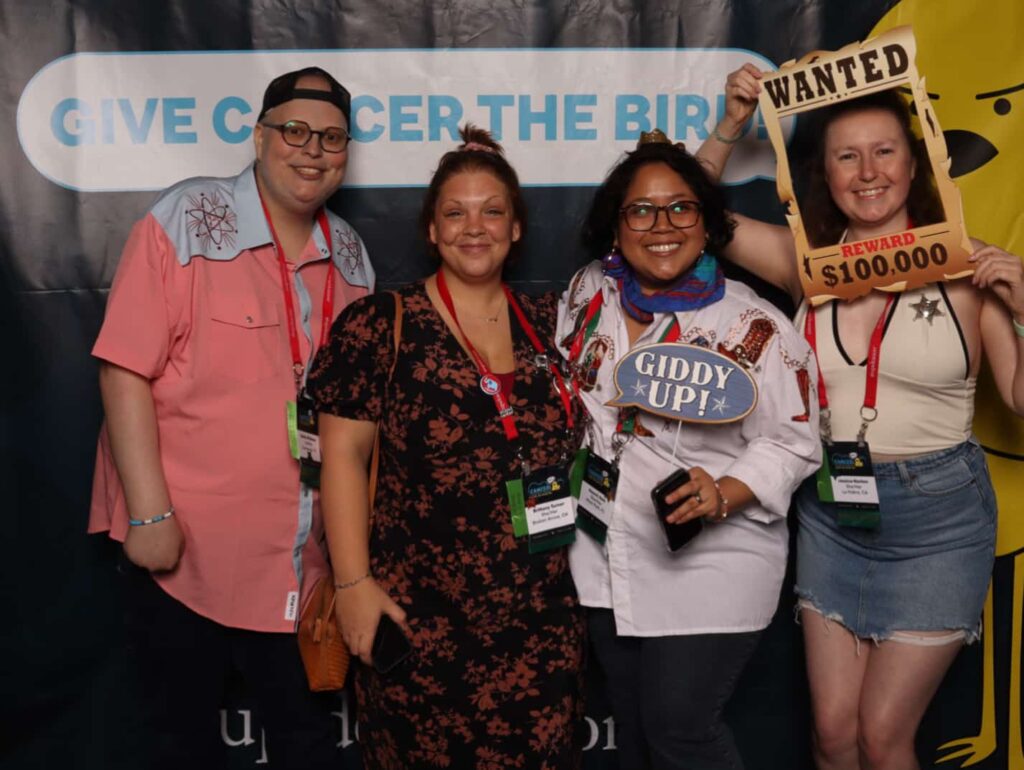
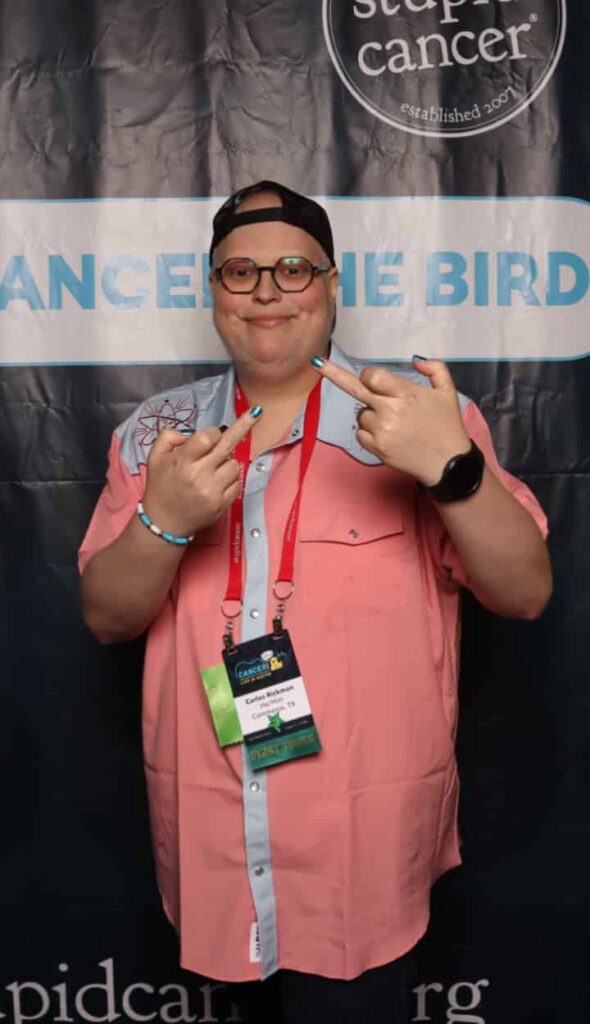
Carlos Rickman, 31, Soft Tissue Sarcoma
To bring awareness to the unique issues AYAs face in survivorship, Stupid Cancer community member Carlos Rickman shared his insights about the impact financial toxicity has on the AYA cancer community. Thank you, Carlos, for sharing your voice!
What are some of the most significant ways cancer has impacted your financial status?
The most obvious way cancer has affected my financial situation is that my wife and I went from a two-income household to a one-income household. Although I worked during much of my treatment, at some point it became plain to see that I would not be able to maintain a full-time job and also manage my health during in-patient chemo. Because of our income being cut in half, we’ve almost depleted our savings account paying medical bills or to help fill in the gap in our monthly budget when we don’t make enough to fully finance the month.
Unexpected expenses related to cancer have had a significant impact on my financial status as well. These are different than large, somewhat expected things like medical bills. There are so many small expenses that all add up. Things like paying for gas, parking, and a meal out during your all day appointment. Hotel expenses if you have to travel out of town for scans. You have to buy random over the counter meds you need for new side effects that show up and new assistive devices like shower chairs and medicine bottles with timer caps. Then you start losing weight and you’ve gotta buy new clothes just so you can try and look decent while fighting for your life. Then you purchase protein bars and shakes to maintain your weight and just have to hope they taste good with your current treatment cocktail. And sometimes you and your caretaker are tired and just need to doordash a meal because neither of you can cook. There just are so many small unexpected costs and they all add up.
There is also the cost of life experiences. AYAs are in the prime of our lives and we don’t want to stop living life just because of a cancer diagnosis. In fact, many of us, especially those with terminal diagnoses, want to go on adventures and have experiences that we might otherwise have pushed off until later in life because we know how uncertain the future is. It’s difficult balancing between using every earned and donated dollar towards fighting for your life and also spending some on experience that make life worth fighting for.
During my lowest points, having a concert or a trip planned helped me fight through the worst days. You also want to spend as much time with your friends, family, and significant other as you can and you want to have those experiences with them. And, of course, as much as you try to plan in advance, sometimes you wind up in the ER or have side effects and miss that fun event – which means money down the drain. It’s always a gamble planning a fun life experience as a cancer patient and it is extra stressful when money is already tight, but, also, those experiences give us and our loved ones good memories to look back on and hope for a little break from the cancer life.
Why do you think AYAs ages 15-39 experience greater financial toxicity compared to those over 40?
I think the biggest reason we experience financial toxicity is because we are just starting out in life. Often times we are just graduating college and joining the workforce. We haven’t had a chance to build up a major savings account. We haven’t even thought about getting life insurance yet. By the way – if you haven’t been diagnosed yet and haven’t gotten life insurance, get it now while you are eligible and it is affordable! We just haven’t built up the safety nets that someone older has built. So once we get diagnosed, it takes all of the little safety net we have built….if we even have one yet.
What is one of the most important things you want people to be more aware of regarding financial toxicity AYAs face?
We need your help! We are young and a cancer diagnosis tears down any safety nets we might have been starting to build. Some of us may be uninsured, on our parent’s insurance, if we haven’t fallen off yet for turning 26, or with insurance that doesn’t even cover regular doctor’s visits.. This financial instability means we struggle to afford our own treatments and often have to go into major debt or rely on gofundme just to have a chance to survive.